

Unique project
Technology Center Laufenburg
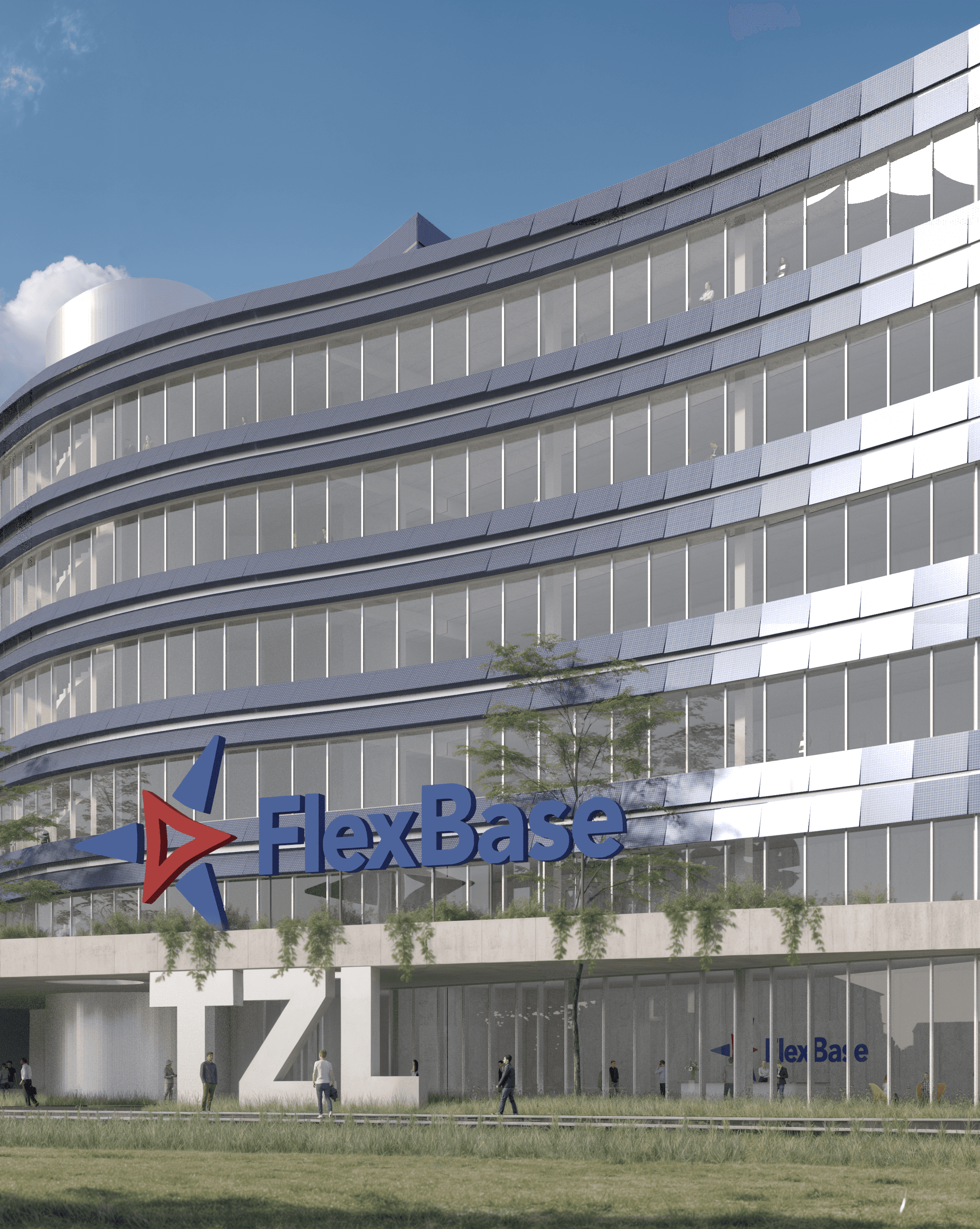
A technology center is being built at the Star of Laufenburg. At its heart is the world's largest redox flow battery. This is complemented by a unique, water-cooled AI data center designed to meet the demands of the future.
Construction of the Technology Center Laufenburg (TCL), which includes the artificial intelligence data center and battery storage facility, began in spring 2025. The project combines innovation, technology and sustainability at Switzerland's energy hub, the Star of Laufenburg.
+ GWhBattery capacityThis corresponds to supplying 1 million households for 5 hours or 210'000 households for 24 hours.
MWSovereign AI-FactoryIn its final configuration, the FlexBase Sovereign AI Factory can deliver up to 500 MW of power purely from a technical standpoint and without absorbing the battery storage.
GWBattery performanceThe maximum power output of the storage facility is comparable to that of the Leibstadt nuclear power plant.
%Sustainable designThe combination of on-chip water cooling, waste heat utilization and a solar facade results in a sustainable overall picture.
Company
FlexBase Group
FlexBase combines sustainable energy supply and innovative technologies for a secure energy future. The unique combination of energy storage and AI data center opens up new frontiers in energy security, energy management and the implementation of highly complex data centers for artificial intelligence.
The location? Not a coincidence. A historic city in Aargau on the Rhine, deeply rooted in energy history, forms the cornerstone of the project. Discover the FlexBase group of companies and its historic location.
Redox flow meets artificial intelligence
An energy system of the future
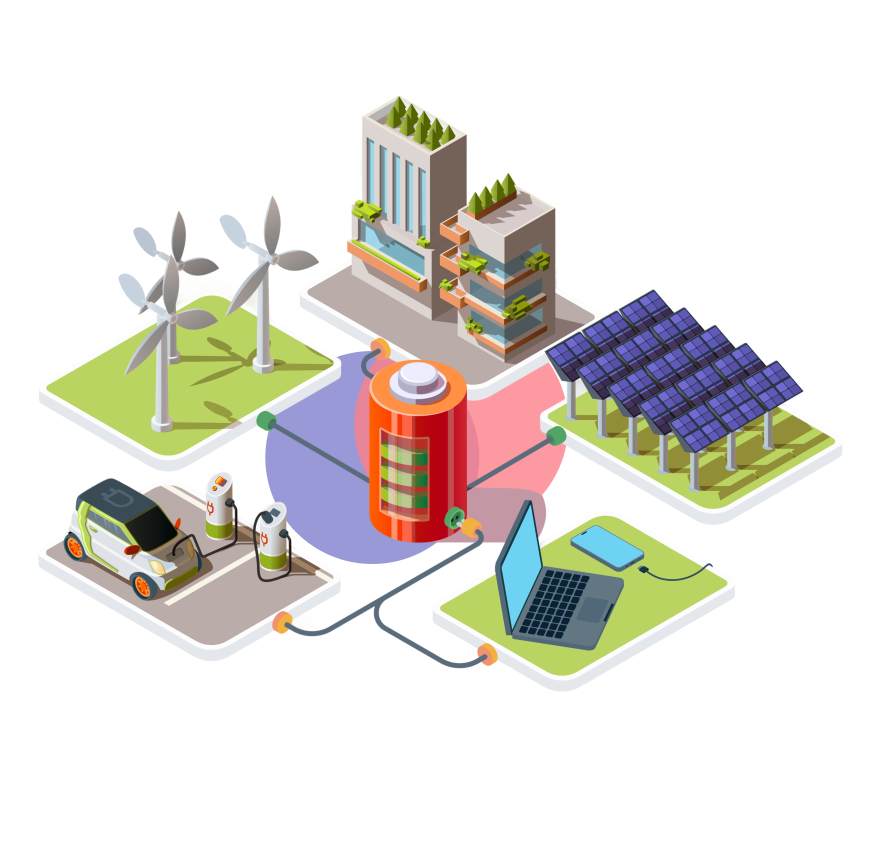
The combination of battery storage and AI data centers is a strategic key to efficiency, sustainability and technological sovereignty. The combination of battery storage technology and AI computing power creates an intelligent energy and data infrastructure that balances peak loads, optimally integrates renewable energies and ensures the stable operation of energy-intensive AI systems.
Working at FlexBase
Vacant positions
At FlexBase, we are always looking for creative minds and visionaries. Discover all current career opportunities on our job portal.
Can't find a suitable position? Join our talent pool and stay on our radar! As soon as an exciting opportunity arises that matches your profile, we will contact you immediately - because at FlexBase, we recognize your potential.

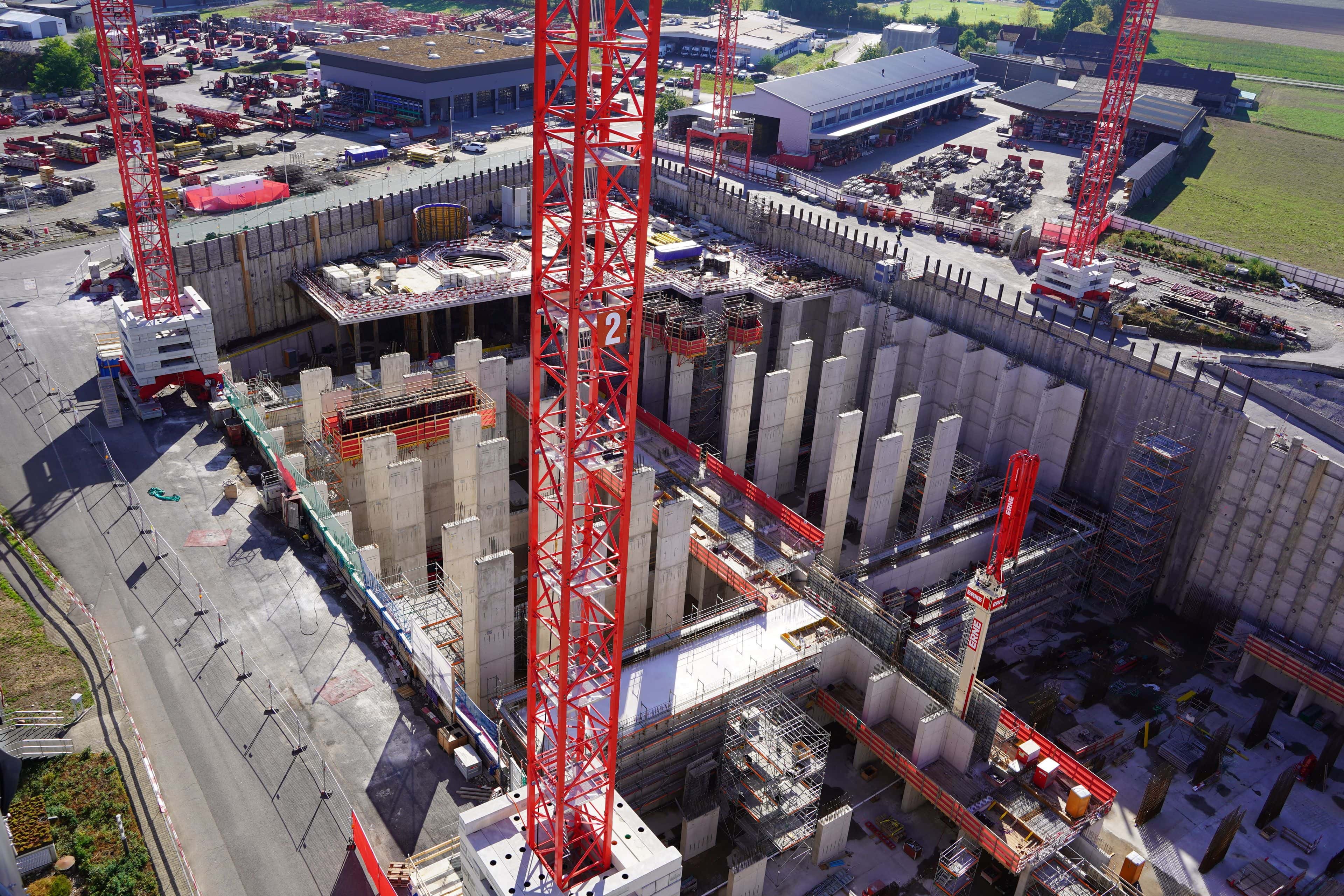
Milestone in Laufenburg: From Now On, the Technology Center Is Only Growing Upwards

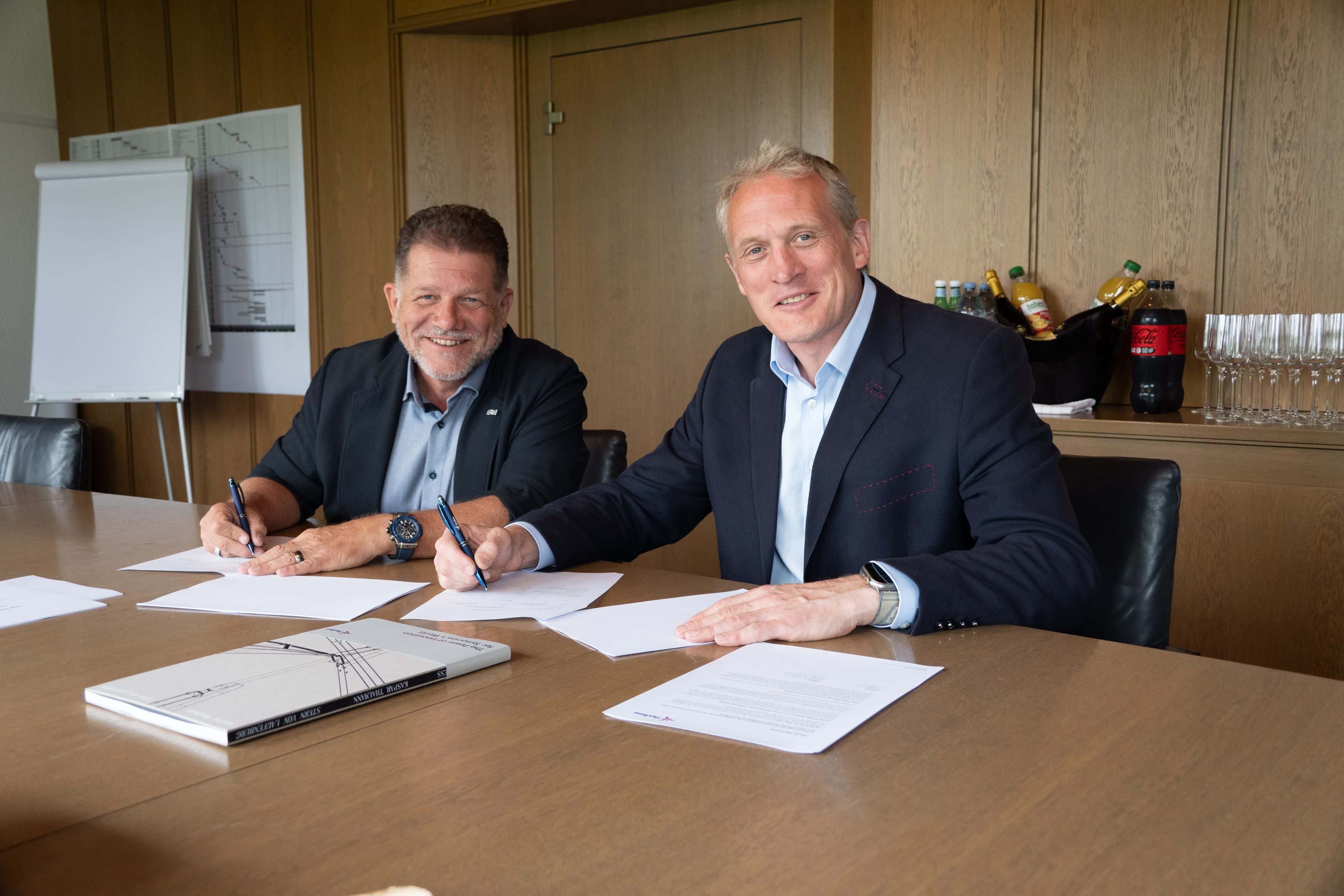
Invinity Energy Systems has emerged as the strategic partner for the world's largest flow battery storage facility in Laufenburg, Switzerland

Redox Flow Battery Storage: How an Old Idea Is Making a Comeback Today and What NASA Has to Do With It
Frequently asked questions
FlexBase is creating a technology site in Laufenburg that is unique in Europe, covering an area of over 40,000 m². The Technology Center Laufenburg brings together energy, artificial intelligence and research. At the heart of the project is a pioneering redox flow battery storage system that stores surplus renewable electricity and releases it when needed, stabilizing the grid and strengthening the security of supply in Switzerland and Europe. In addition, the project is creating the world's first Sovereign AI Factory in accordance with Swiss standards: an AI data center that differs from conventional data centers.
Due to safety, scalability and sustainability.
The electrolyte fluid in redox flow batteries consists of around 75% water, which makes it neither flammable nor explosive.
The storage capacity depends solely on the size of the tanks. To store more energy, larger or additional tanks can be used relatively easily and simply without having to enlarge the cells themselves. Since the electrodes are not degraded (as is the case with lithium-ion batteries, for example), redox flow batteries have a very long service life. If we look at common lithium-ion batteries, such as those found in cell phones, laptops, or electric cars, the degradation is clearly visible.
In addition, lithium-ion batteries are susceptible to overheating or fire. To limit this risk, the batteries must be heavily cooled, which consumes energy. The result is an efficiency that, on closer inspection, no longer appears as lucrative as it might at first glance.
Redox flow technology also offers clear USPs in terms of sustainability. The electrolyte fluid can be reprocessed and recycled almost 100%. Redox flow batteries are particularly well suited for applications where large amounts of energy need to be stored, such as renewable energies (solar and wind energy) or in stationary energy storage systems, as they can be used reliably over long periods of time.
FlexBase Group is an independent, autonomous group of companies financed by private equity and funds. FlexBase currently operates without any government involvement. FlexBase Holding AG is 100% Swiss-owned.
The “Star of Laufenburg” is the center and birthplace of the European interconnected power grid.
In 1958, in Laufenburg in the canton of Aargau (Fricktal region), the power grids of Germany, France, and Switzerland were interconnected for the first time at the 220-kilovolt voltage level. As a result, the Central European countries moved closer together, and with the switching installation known as the “Star of Laufenburg,” the European power grid was born. Laufenburg is the heart and the oldest node of the European electricity network.
Swissgrid’s transmission network, spanning over 6,700 kilometers, transports electrical energy at voltages of 380 and 220 kilovolts. In addition to all transmission lines, the network includes 147 substations. Switzerland is closely interconnected with its neighboring countries via 41 cross-border lines. As a power hub, it contributes to the security of Europe’s electricity supply. The Star of Laufenburg plays a central role in this - today and in the future.
The power site enables the battery storage system to be connected directly, without detours or transmission losses, making it an ideal location for storage. The existing former Swissgrid building will be revitalized and will provide more than 400 office workplaces for employees.